
Chain of Responsibility
NHVR Master Code 2026: what sites need to know
The 2026 Master Code is the National Heavy Vehicle Regulator's guidance on managing safety risks in heavy vehicle transport. It was launched on 21 January 2026 and builds on the 2018 code. It is guidance, not law, but it can be used as evidence of what a party knew or ought to have known about hazards and controls.
This page is general information, not legal advice. Duties under the Heavy Vehicle National Law depend on what your organisation does and how. Check yours with a qualified adviser and the NHVR's published guidance.
What changed from the 2018 code
The 2026 code describes 45 activities and contains more than 500 controls.
The move to activities matters for sites. Under a role-based code, a business that did not think of itself as a transport business could miss the parts that applied to it. Under an activity-based code, the question is simply whether you load, unload, schedule or receive heavy vehicles.
| Aspect | 2018 Master Code | 2026 Master Code |
|---|---|---|
| Structure | Organised by role in the chain | Organised by activity |
| How you use it | Find your role | Find the activities your business performs |
The NHVR describes the 2026 code as the result of two years of consultation across the heavy vehicle supply chain.
Its legal status
- The code does not create new legal obligations or replace existing requirements under the Heavy Vehicle National Law.
- Its controls are recommendations, not obligations. A business may use alternative controls that are equally effective.
- There is no offence for failing to implement an individual control, and a business cannot be prosecuted for failing to comply with the code.
- The code may be used as evidence if a party or an executive is charged, to show what they knew or ought to have known about hazards and controls. The NHVR notes it would be one piece of evidence among many.
What it means for sites
The NHVR has published material aimed at off-road parties, meaning businesses that are part of the chain without operating vehicles. The code includes controls relating to the design of premises and controls that apply to construction sites.
For a site, the practical effect is that the regulator has now written down, activity by activity, the hazards it expects you to know about. If your site loads or unloads heavy vehicles and something goes wrong, the code is a ready reference for what a reasonable party would have considered.
What to do about it
- List the activities your sites perform, using the code's activity list.
- For each one, compare the code's controls with what you do now.
- Where you use a different control, write down why it is equally effective.
- Where you have a gap, decide what you will do and by when.
- Make sure each control you rely on leaves a record, so you can show it operates.
- Brief executives on the result. They have their own due diligence duty.
Where SiteInspector fits
The code tells you which controls to consider. It does not record whether they happened. SiteInspector provides that record at the gate.
- Licence plate recognition logs every vehicle entering and leaving, with time, direction and plate images.
- Each plate is matched against your vehicle registry, with alerts for unregistered, expired or blacklisted vehicles.
- Digital gate check inspections follow a guided workflow: vehicle and driver, accreditation, equipment checklist, driver certification, route and notes, then review and submit.
- Alerts carry an acknowledgement workflow that records who responded and when.
- Records from every site sit in one place, with role-based access.
Common questions
What is the NHVR Master Code 2026?
It is the National Heavy Vehicle Regulator's guidance on managing hazards and risks in heavy vehicle transport, intended to help parties in the Chain of Responsibility meet their primary duty. It was launched on 21 January 2026 and is organised around 45 transport activities.
Is the Master Code law?
No. The NHVR states that the code does not create new legal obligations, that its controls are recommendations, and that a business cannot be prosecuted for failing to comply with the code. It can, however, be used as evidence of what a party knew or ought to have known.
Does the Master Code apply to businesses that do not run trucks?
Yes. The code is organised by activity, not by role, and it covers activities performed by off-road parties such as loading, unloading and receiving. The NHVR has published guidance specifically for off-road parties.
Do we have to adopt every control in the code?
No. The controls are recommendations. You may use alternative controls that are equally effective. If you do, record your reasoning.
Is there an approved audit for the Master Code?
No. The NHVR has said it does not endorse any audit scheme for the 2026 Master Code and does not accredit auditors for it.
Site compliance in the field
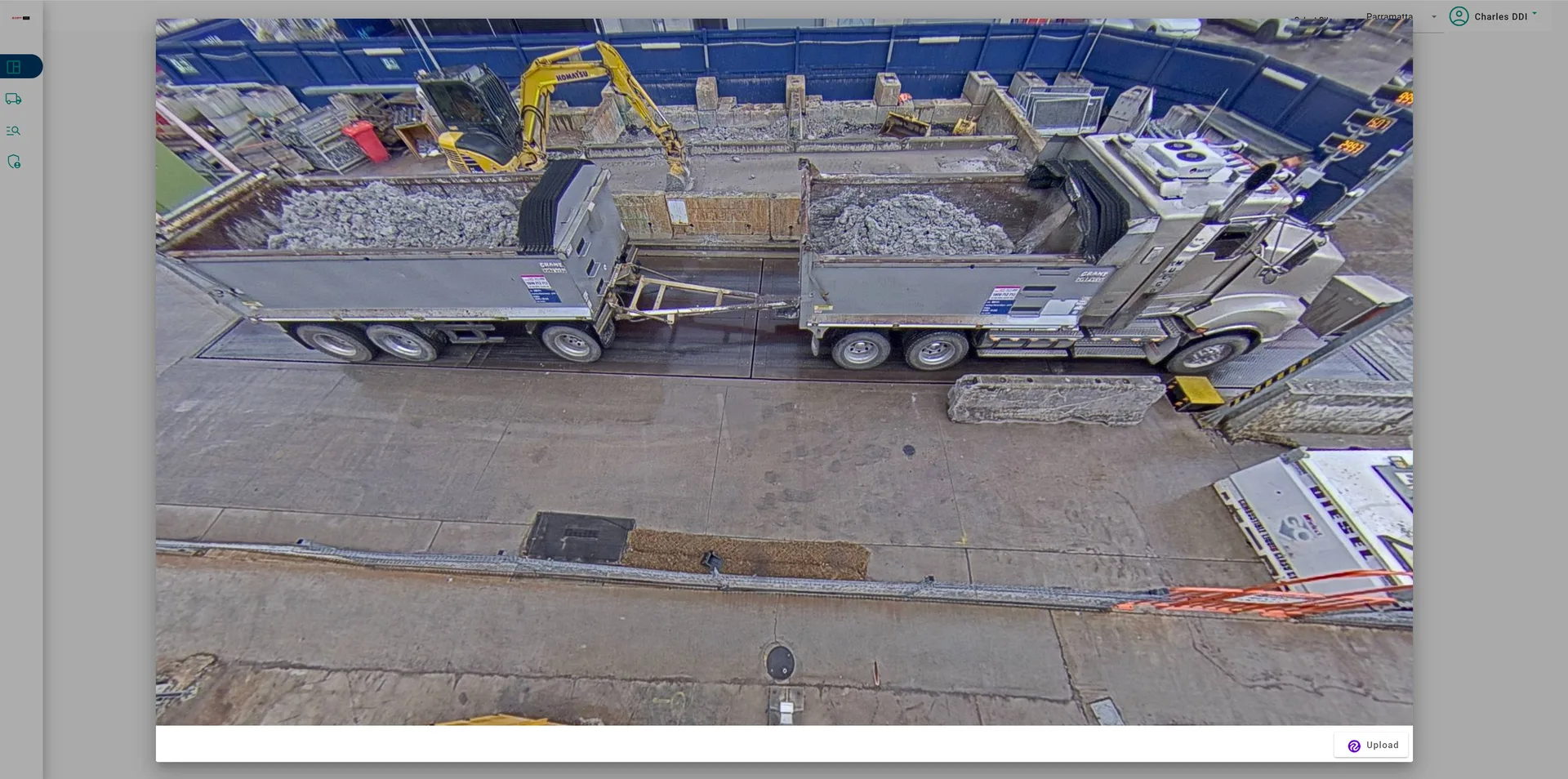
See how infrastructure and construction teams use SiteInspector to digitise vehicle inspections and Chain of Responsibility checks.

Ready to Start Your Automation Journey?
Our team is ready to discuss how our AI solutions can address your specific business challenges.
sales@ddilabs.ai
Location
Sydney, Melbourne, Brisbane