
Chain of Responsibility
Chain of Responsibility audit checklist for sites
A Chain of Responsibility audit checks whether your organisation can show it is meeting its primary duty under the Heavy Vehicle National Law. For a site that loads, unloads or receives heavy vehicles, that comes down to seven questions: which roles you hold, which risks you influence, what controls you have, what you record, what your contracts say, what executives see and how often you review it.
This is a self-assessment aid to adapt. It is not legal advice and not an audit standard. Check your obligations with a qualified adviser and the NHVR's published guidance.
1. Roles
- We have identified which of the ten Chain of Responsibility functions we perform at each site.
- We have checked whether any site manages premises where five or more heavy vehicles are loaded or unloaded each day.
- We know which functions our contractors perform for us, and that we remain a party for work we contract out.
- Named people are responsible for heavy vehicle safety at each site.
2. Risks
- We have assessed how our loading, unloading and scheduling affect mass, dimension, load restraint, fatigue, speed and vehicle condition.
- The assessment covers each site, not just the organisation as a whole.
- It has been reviewed since the last change to our operations.
- We have compared our controls with the NHVR's 2026 Master Code for the activities we perform.
3. Controls at the gate and on site
- Every heavy vehicle is identified on entry and exit.
- Registration status is checked.
- A defined inspection is carried out, and it is the same on every shift.
- Loads leaving the site are checked for mass, restraint and cover.
- There is a clear rule for what happens to a vehicle that fails, and who can decide.
- Waiting times are monitored so that delays at our site do not become a driver's fatigue problem.
4. Records
- We can list every heavy vehicle that visited a given site on a given day.
- Inspection results, photos and the inspector's name are kept for each visit.
- Refusals, holds and rectifications are recorded with the reason and the decision-maker.
- Records from all sites can be searched in one place.
- Records are kept for the period our safety management system and contracts require.
5. Contracts and business practices
- Our delivery windows and turnaround expectations can be met without speeding or breaching work and rest hours.
- Our contracts do not reward or require unsafe practices.
- We tell operators and drivers our site requirements before they arrive.
- We tell other parties about hazards we know of.
- We check, and do not assume, that the operators we use are meeting their own duty.
6. Executive oversight
- Executives receive regular reports on heavy vehicle safety at our sites.
- The reports include failures and what was done about them, not only totals.
- Executives can show the steps they took to verify that controls are working.
- Resources for heavy vehicle safety are approved at executive level.
7. Review
- This audit is repeated on a set cycle and after any serious incident.
- Findings are assigned to an owner with a date.
- Previous findings are checked for closure.
Where SiteInspector fits
Sections 3 and 4 are where most sites fall down, because they depend on something being recorded for every vehicle on every shift. That is the part SiteInspector automates.
- Licence plate recognition logs every vehicle entering and leaving, with time, direction and plate images.
- Each plate is matched against your vehicle registry, with alerts for unregistered, expired or blacklisted vehicles.
- Digital gate check inspections follow a guided workflow: vehicle and driver, accreditation, equipment checklist, driver certification, route and notes, then review and submit.
- Alerts carry an acknowledgement workflow that records who responded and when.
- Records from every site sit in one place, with role-based access.
Common questions
What is a Chain of Responsibility audit?
It is a structured check of whether an organisation can demonstrate that it is meeting its primary duty under the Heavy Vehicle National Law: that it knows its roles, has assessed its risks, has controls in place, keeps records and reviews them.
Is a Chain of Responsibility audit mandatory?
The primary duty does not specify an audit. An audit is a way of showing that the duty is being met and that executives are exercising due diligence. Customers and head contractors often require one by contract, and accreditation schemes have their own audit rules.
How often should we audit?
Set a cycle that suits your risk, and audit again after a serious incident or a significant change to your operations. An annual cycle is common. What matters is that findings are followed up.
Is there an NHVR-approved audit for the 2026 Master Code?
No. The NHVR has said it does not endorse any audit scheme for the 2026 Master Code and does not accredit auditors for it. The code is guidance to compare your own controls against.
What evidence does an auditor look for at a site?
Records that controls actually operate: which vehicles attended, what was checked, what failed and what was done. A written procedure without matching records shows intent, not practice.
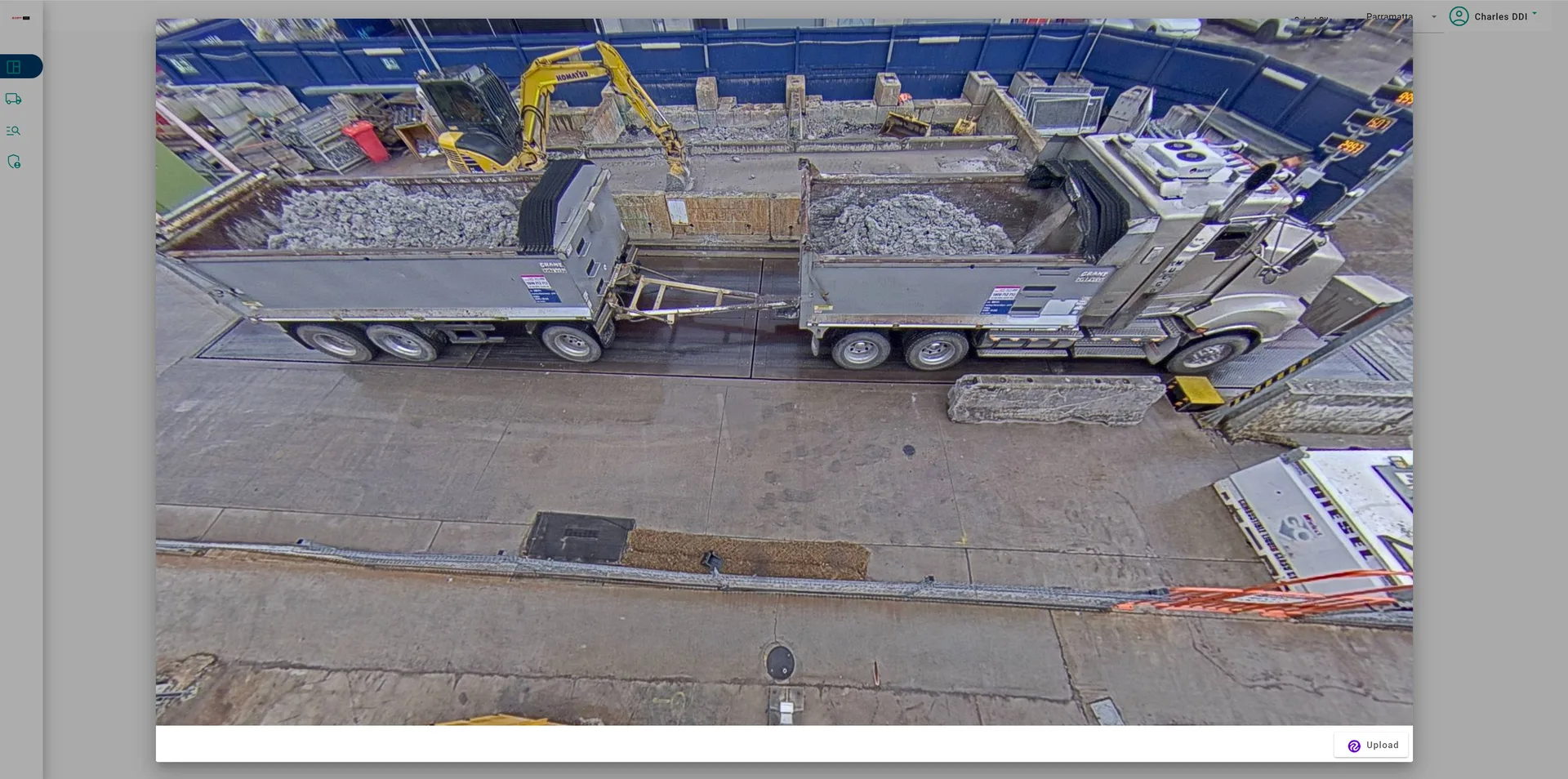
Site compliance in the field
See how infrastructure and construction teams use SiteInspector to digitise vehicle inspections and Chain of Responsibility checks.

Ready to Start Your Automation Journey?
Our team is ready to discuss how our AI solutions can address your specific business challenges.
sales@ddilabs.ai
Location
Sydney, Melbourne, Brisbane