
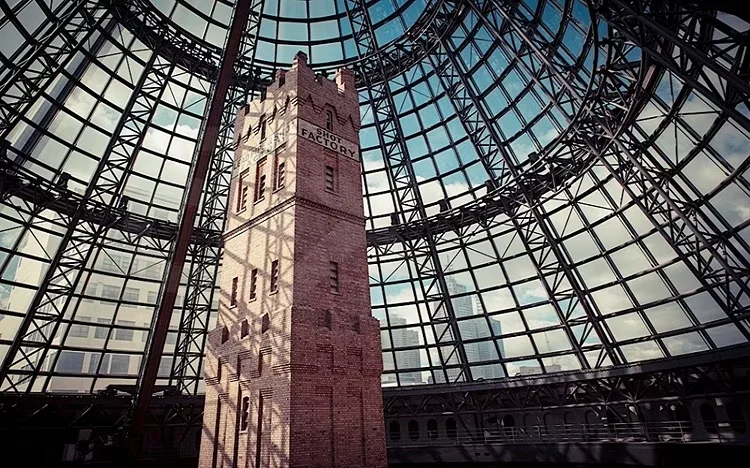
DockSense automation for Melbourne Central's high-volume CBD loading dock.
Melbourne Central and The GPT Group replaced first come, first served dock access with scheduled arrivals, delivery visibility and exception handling across one shared CBD dock, with Veyor supporting the booking workflow.
Melbourne Central
Retail and office precinct - Melbourne CBD

A single dock serving a retail centre and 51-floor office tower.
Melbourne Central operates one shared loading dock for a major retail shopping centre and a 51-floor office tower in the middle of Melbourne CBD. Around 150 vehicles move through the dock every day.
Before the automated dock workflow, access was first come, first served. Vehicles could queue down the road for up to an hour, dock staff spent the day managing traffic in and out, and tenants had limited visibility of delivery arrivals.
DockSense loading dock automation is built for this kind of environment: it connects booking data, gate activity, vehicle dwell times, tenant visibility and audit-ready event logs in one operating layer.
DockSense-style automation around booking, arrival and dock event data.
Melbourne Central introduced scheduled dock bookings with Veyor as the booking partner, then layered the operating workflow around arrival visibility, tenant delivery planning and exception handling. Within two weeks, 70% of vehicles were booking ahead, and compliance now sits at 85-90% booking compliance.
Booking partner integration
DockSense works with booking partners like Veyor so approved delivery slots can flow into the live dock workflow before vehicles arrive.
Arrival and dwell visibility
Operations teams can see who is coming, who they are delivering to, when they entered and how long each vehicle spends on site.
Tenant delivery visibility
Retail and office tenants gain clearer notice of delivery arrivals, reducing surprise drop-offs, phone calls and manual follow-up.
Exception and misuse tracking
Dock event records help identify unbooked arrivals, overstays and vehicles using the dock for nearby deliveries instead of Melbourne Central tenants.
Predictable bookings replaced road-side queues and manual coordination.
The shift gave Melbourne Central a clearer operating rhythm: drivers know their slot, tenants know when to expect deliveries, and dock staff can focus on exceptions instead of managing every vehicle by hand. That is the core DockSense value: turn dock movements into structured operational data.
Booking adoption in weeks
Within two weeks of launch, 70% of vehicles were booking ahead, giving the precinct a fast path away from queue-based dock access.
Less roadside queuing
Scheduled arrival windows helped reduce long waits for drivers and kept traffic from building around a constrained CBD loading dock.
Dock staff freed up
With most movements booked and visible, dock staff could focus on exceptions instead of spending the day manually directing vehicle flow.
Better delivery experience
Drivers, logistics companies and tenants gained a clearer process for planning deliveries into a busy mixed-use precinct.
A smoother experience for drivers, logistics companies and tenants.
The change helped the team make dock access easier to coordinate for drivers, logistics companies and tenants because arrivals are planned, visible and easier to manage.
Nabil Farook
Operations Manager, The GPT Group
Dock event records give the team clearer visibility into who is arriving, which tenant they are delivering to, how long vehicles stay and whether dock usage matches the booking.
Melbourne Central operations team
Retail and office precinct
More customer stories
See how other operations teams use DDI Labs to automate manual checks across docks, sites and entrances.
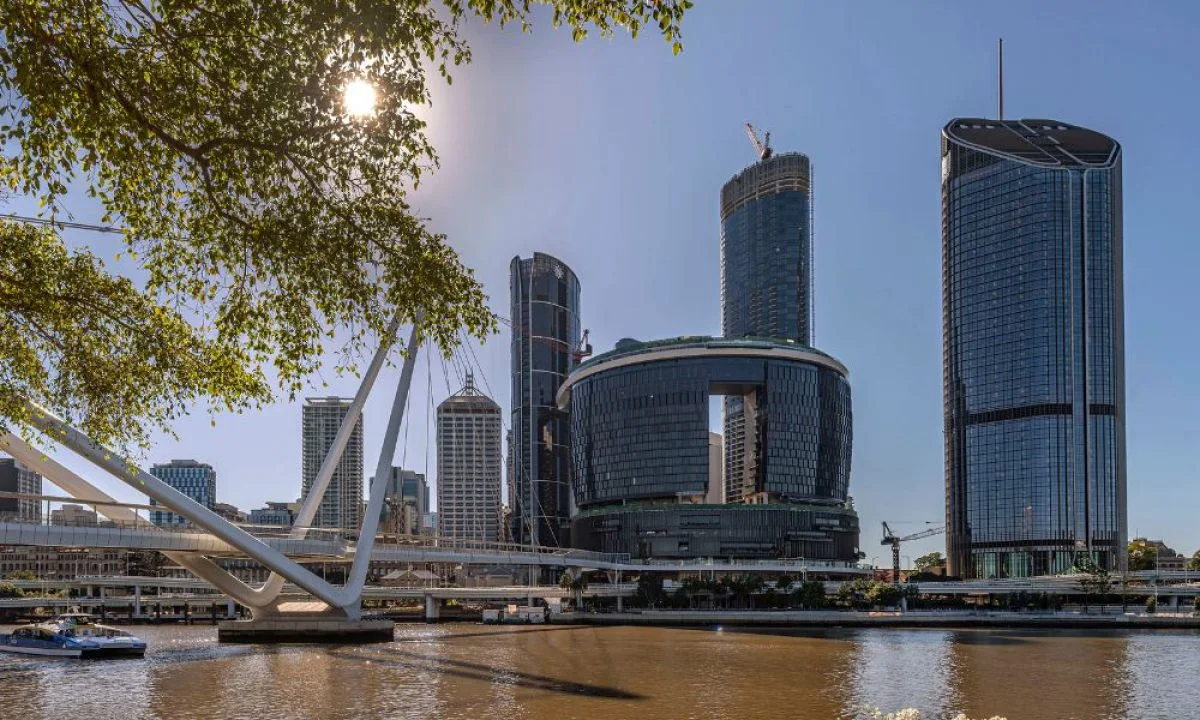

The Star Queen's Wharf
In partnership with MobileDOCK
How DDI Labs enabled licence plate recognition, real-time monitoring and automated access control around MobileDOCK for The Star Queen's Wharf's constrained CBD dock environment.
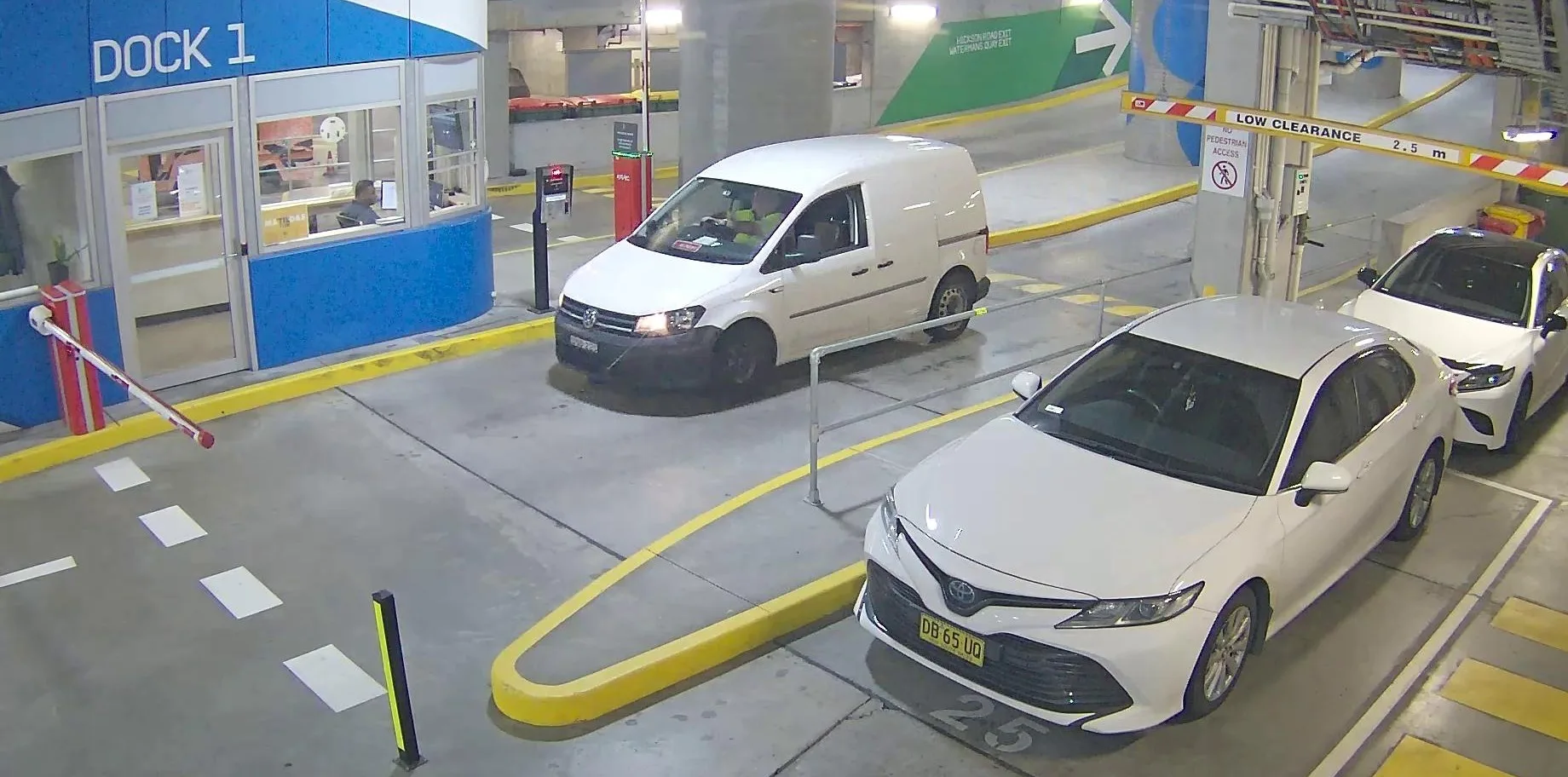

JLL International Towers Barangaroo
In partnership with JLL
How DockSense helped JLL automate valid bookings, reduce manual dock checks and improve operational visibility across a high-volume Sydney commercial precinct.